
- READ MORE: Automakers facing difficulties worry about the significant effect of Trump's policies.
By 2027, Mercedes-Benz plans to relocate the manufacturing of one of its models to Tuscaloosa, Alabama.
The move by the high-end automobile manufacturer from Germany represents the most recent reaction from an automotive sector ensnared in the costly targeting indicators associated with President Donald Trump's 25 percent tariffs .
This choice could be seen as a victory for President Trump’s policy of protecting American industries, aiming to increase domestic manufacturing through significant taxes on products from abroad.
However, numerous complicating elements exist.
The firm did not specify which particular model would be shifting to the American market. Rather, they mentioned that the manufacturing of a 'core segment vehicle' will take place in the U.S.
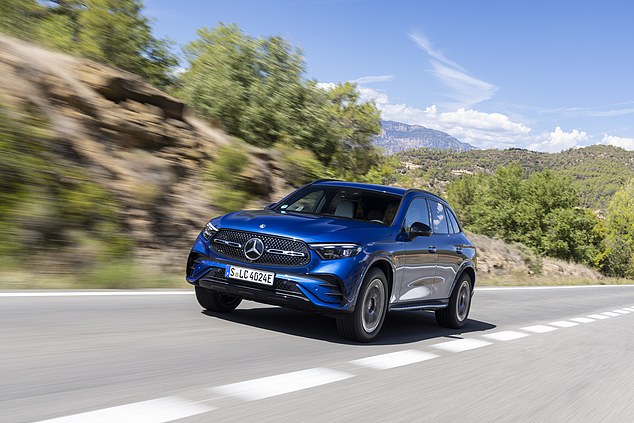
A lot of specialists forecast that this shift could affect the manufacturing of the GLC, which is the firm’s top-selling vehicle in the U.S. The small sport utility vehicle is assembled in Bremen, Germany.
"As a corporation engaged in international operations with over 30 facilities across the globe, Mercedes-Benz typically adheres to a produce-locally-for-local-markets approach," the company informed romero.my.id.
By doing this, we continually refine our production network and leverage its great flexibility to respond to variations and shifting market conditions in order to stay competitive.
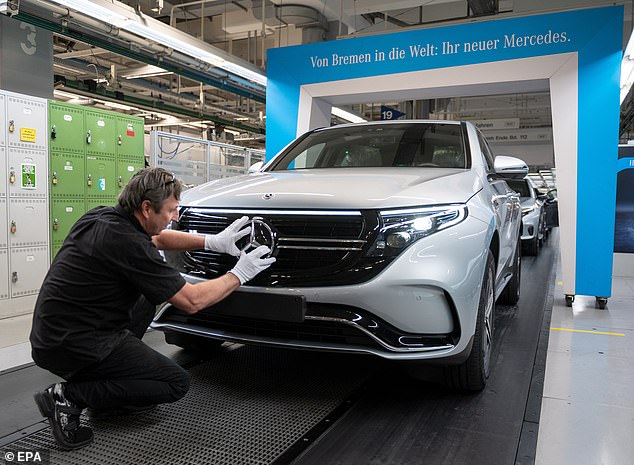
Mercedes stated they sold 64,163 vehicles in the U.S. in 2024, which represents an increase of 58 percent compared to the previous year.
Although the Alabama facility could be where the SUVs originate, Mercedes may also begin shifting certain manufacturing processes away from this plant.
In April, the firm stated they were diligently assessing production changes due to the increasing tariff pressures.
The moves might affect some of its most profitable vehicles, such as the GLE, GLS, GLE Coupe, and Mercedes-Maybach GLS, all of which are manufactured in Alabama.
Mercedes has utilized the American facility for exporting vehicles, including shipments to both Europe and Canada.
However, as President Trump continues to push for higher auto tariffs and nations retaliate accordingly, the number of exported vehicles leaving production facilities might significantly decrease.
This is a gamble that Trump is ready to make. For many years, the President has maintained that imposing higher tariffs on imports will encourage businesses to revive the sluggish manufacturing industry in the U.S.
Up until now in the automotive sector, his responsibilities have yielded inconsistent outcomes.

Yesterday, General Motors' CEO, Mary Barra, stated that tariffs would result in an annual expense for her company ranging from $4 billion to $5 billion.
The company's announcement marked the first instance where customers got insight into the actual financial impact the Trump administration could be placing on automobile manufacturers.
Ford has reacted by doing so employee pricing sale That has reduced thousands from its current roster.
However, the company’s CEO, Jim Farley, has acknowledged that the prices of his vehicles will probably increase after July 4th.
Honda and Hyundai have both said They are reviving their strategies to produce vehicles in the U.S. in order to dodge tariffs.
Meanwhile, Stellantis laid off 900 employees and blamed tariffs.
Subaru also said it would cease transporting vehicles to Canada from its Indiana plant.
So far, the companies have only jotted down small aspects of their capacity modifications. However, backstage, executives are becoming progressively more annoyed with these developments. the constantly changing policies of the White House .
Executives told romero.my.id that they're finding it difficult to determine a pricing strategy for their goods.
Read more


Posting Komentar
Posting Komentar