
Quick Links
-
In The Later Part Of The 20th Century, Japanese Automotive Companies Rushed To Create High-End Brand Names.
- Honda Took the Lead
-
Subaru Chosen To Maintain Its Tough Identity Unchanged
- Notable Subaru Models
- Subaru's Extensive Rallying History Further Reflects This Approach
-
Mitsubishi Has Offered Luxury Models, But Never A Full Brand
- Notable Mitsubishi Models
-
Suzuki Has Always Remained True To Its Beginnings
- Notable Suzuki Models
- Its Focus On Budget Cars Forced It To Pull Out Of The US
Luxury cars are big business for car manufacturers, as not only do they prove popular as drivers want a vehicle that can improve the comfort and feeling of well-being of each journey, they also prove important for the brand image of the company, and they usually come with higher profit margins. For a mainstream brand to also offer more expensive luxury vehicles helps them seem more solid and established, leading those looking for a cheaper option to consider them, if only because they can typically get said luxury at a lower price from a regular automaker.
This doesn't always work out though, as brand image is important, and already-established marques can't always palm off luxury goods to consumers using their mainstream brand names. Sometimes, they need to develop a standalone premium brand to try and attract well-off customers. This has tended to be the way Japanese brands like Honda and Toyota have gone, due to the companies building well-known reputations for producing affordable and reliable cars. The unfailingly reliable original Lexus LS serves as an example, and each of them Nissan and Honda They also have luxury brands such as Infiniti and Acura. However, three Japanese brands decided not to take the leap, and here’s why.
This article delves into the reasons behind why three specific Japanese automakers have not attempted to create their own luxury car divisions.
In the late 20th century, Japanese brands were racing to establish luxury divisions.
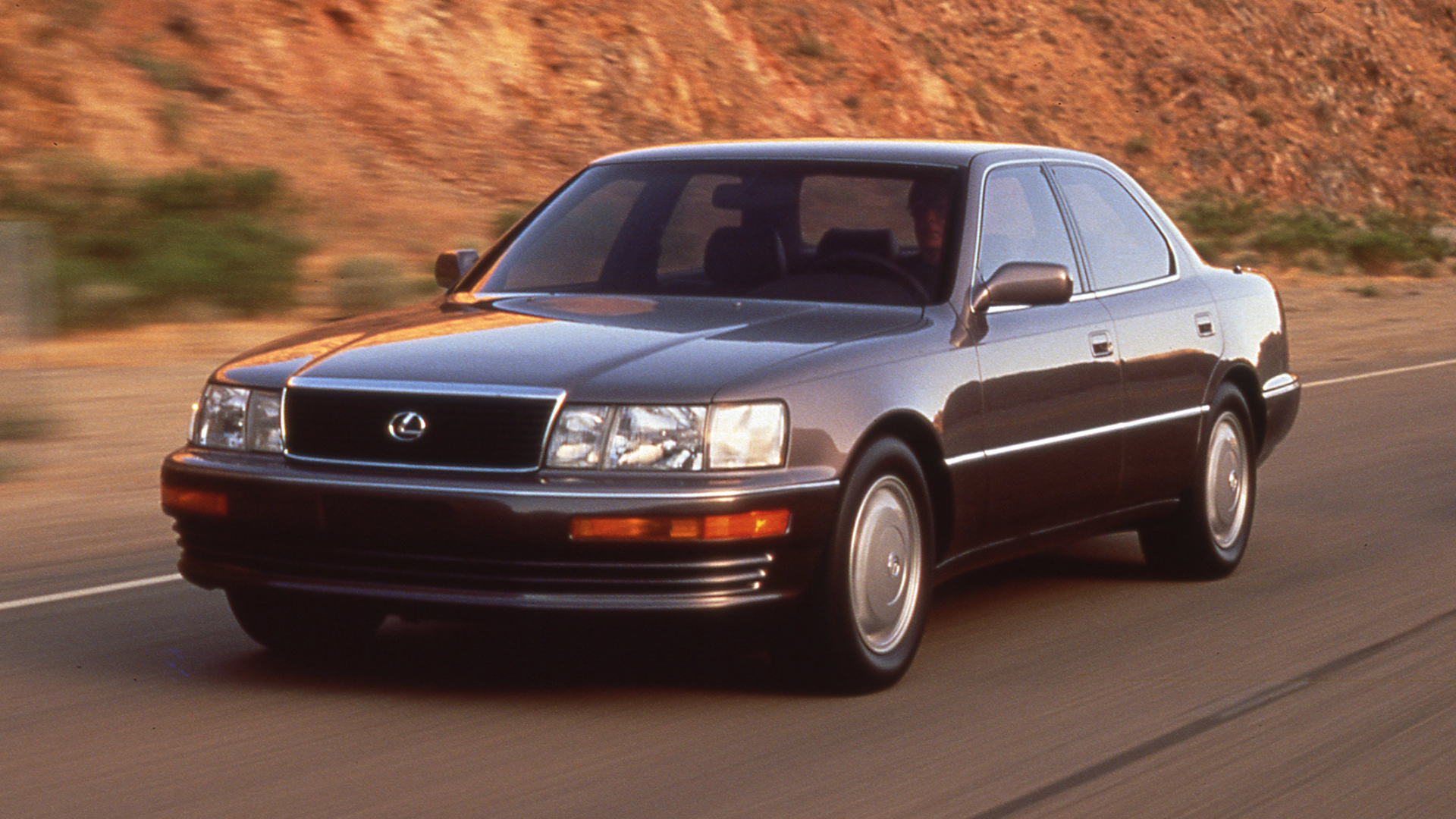
Cars from Japanese manufacturers such as Toyota, Nissan, and Honda gained favor among global consumers in the later portion of the 20th century primarily due to their exceptional dependability relative to European and U.S. competitors. Vehicles including models like the Honda Civic and Toyota Camry caused a sensation worldwide when motorists discovered they could buy an inexpensive and functional vehicle that wouldn’t break down frequently, leaving them stranded on the roadside.
Foreign viewers were not quick to embrace luxurious cars from Japan, primarily because they believed domestic manufacturers lacked the prestige required for such high-end models and feared being perceived negatively when seen behind the wheel of one. Nowadays, this perception isn’t much considered; however, at the time, operating a Toyota or Honda was viewed akin to driving an economical vehicle—regardless of its upscale appearance—particularly among individuals aiming for elevated social standing. Consequently, these companies chose to bolster their credibility by launching separate luxury divisions.
Honda Took the Lead
The initial entry into the market was Acura in 1986, representing Honda’s strategy to attract American luxury car buyers away from brands like BMW And Mercedes-Benz. Following closely were Toyota’s Lexus and Nissan’s Infiniti, with Mazda also setting up its own division shortly thereafter. short-lived Amati brand In 1992, Acura and Lexus notably established a strong reputation over the following years for providing both luxurious and reliable vehicles accessible to the general public.
Several Japanese brands opted out of the Japanese luxury competition, preferring instead to concentrate on different areas.
Subaru Chosen to Maintain Its Robust Performance Heritage
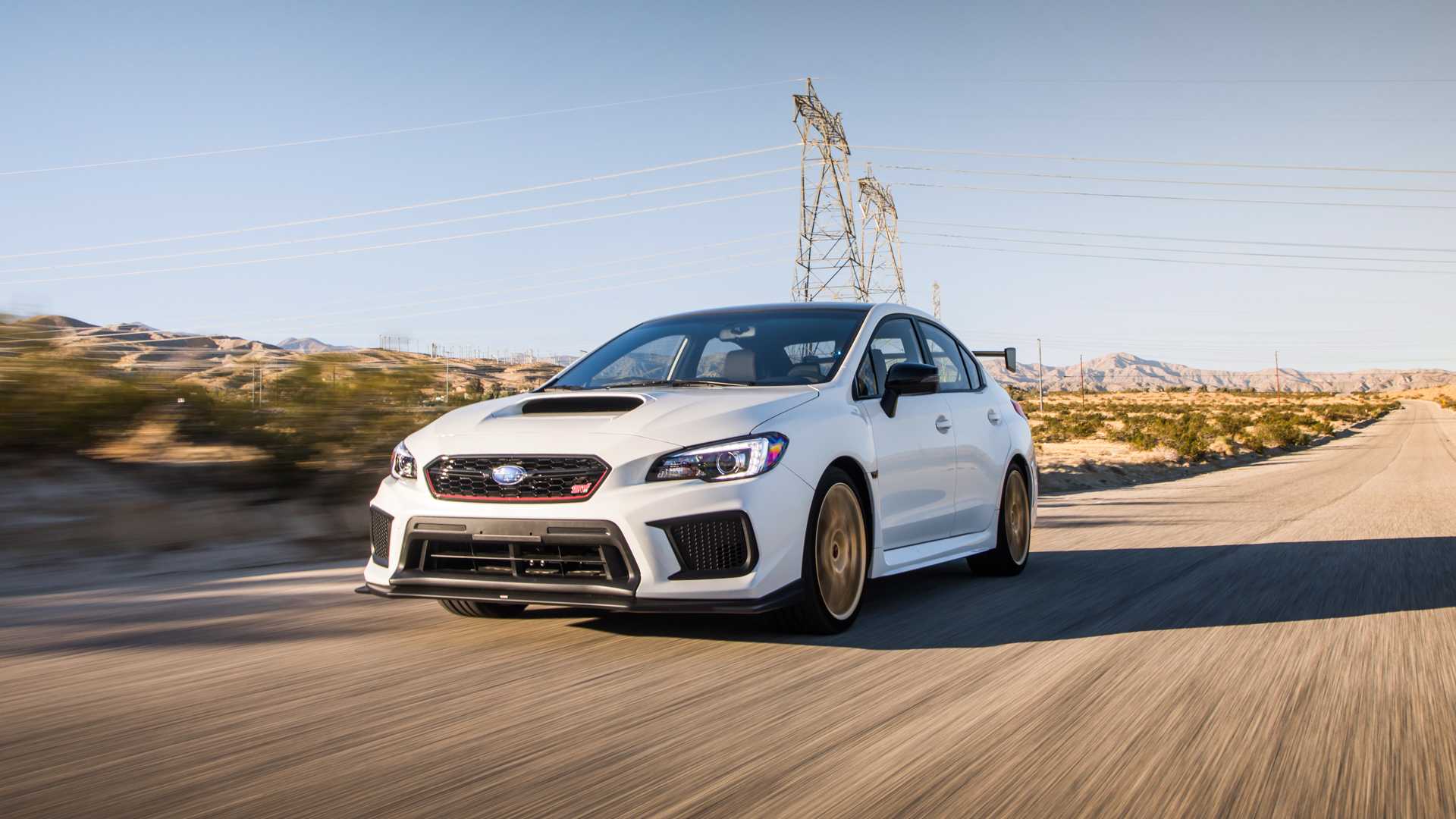
The initial brand among them not to venture into the luxury segment is Subaru, which has consistently portrayed itself as a robust label focusing on durability and toughness rather than comfort and elegance. Subaru introduced symmetrical all-wheel-drive To enter the marketplace in the 1970s, and cultivated its own market presence. versatile boxer engine , which has been included in the majority of its products throughout its history.
Notable Subaru Models
- Outback (1993-Present)
- Impreza (1992-Present)
- Forester (1997-Present)
- Legacy (1989-2025)
- Tribeca (2005-2014)
Its models have typically mirrored its rugged reputation, featuring vehicles such as the Outback , Imprezas and Foresters tend to be equipped with higher ground clearances and an array of off-road features such as locking diffs And so forth, to guarantee their performance remains strong during challenging times. Vehicles such as the Legacy Sedans continue to include all the features that make them comfortable for driving, along with high-quality finishes, yet they aren't solely focused on luxury.
Subaru's Deep-rooted Rallying Legacy Emphasizes This Strategy
This direction is highlighted by its continuous involvement in rallying events; the brand has been participating fully in the World Rally Championship from 1993 through 2008. Even today, it continues to compete in challenging terrains, particularly within the American Rally Association where their activities have become quite extensive. This legacy underscores Subaru’s dedication to producing robust vehicles, positioning toughness as key, which stands at odds with embracing luxury features.
Consequently, Subaru has stayed true to its origins instead of shifting gears toward establishing itself as a full-blown luxury marque.
Mitsubishi has presented luxury models before but never as a distinct brand.
Like Subaru, Mitsubishi has always tended to aim its vehicles more towards the rugged side of the market. Vehicles like the Pajero and Lancer Evolution The most recognized models from the brand gained prominence through their participation in off-road racing events like the World Rally Championship (WRC) and the challenging Dakar cross-country rally. Other street-legal vehicles produced by them include things like the Mirage The subcompact hatchback and Eclipse coupe have consistently been positioned towards the higher value segment of the market.
Notable Mitsubishi Models
- Outlander (2003-Present)
- Lancer Evolution (1992-2016)
- Diamante (1990-2005)
- Pajero (1981-2021)
- Endeavor (2003-2011)
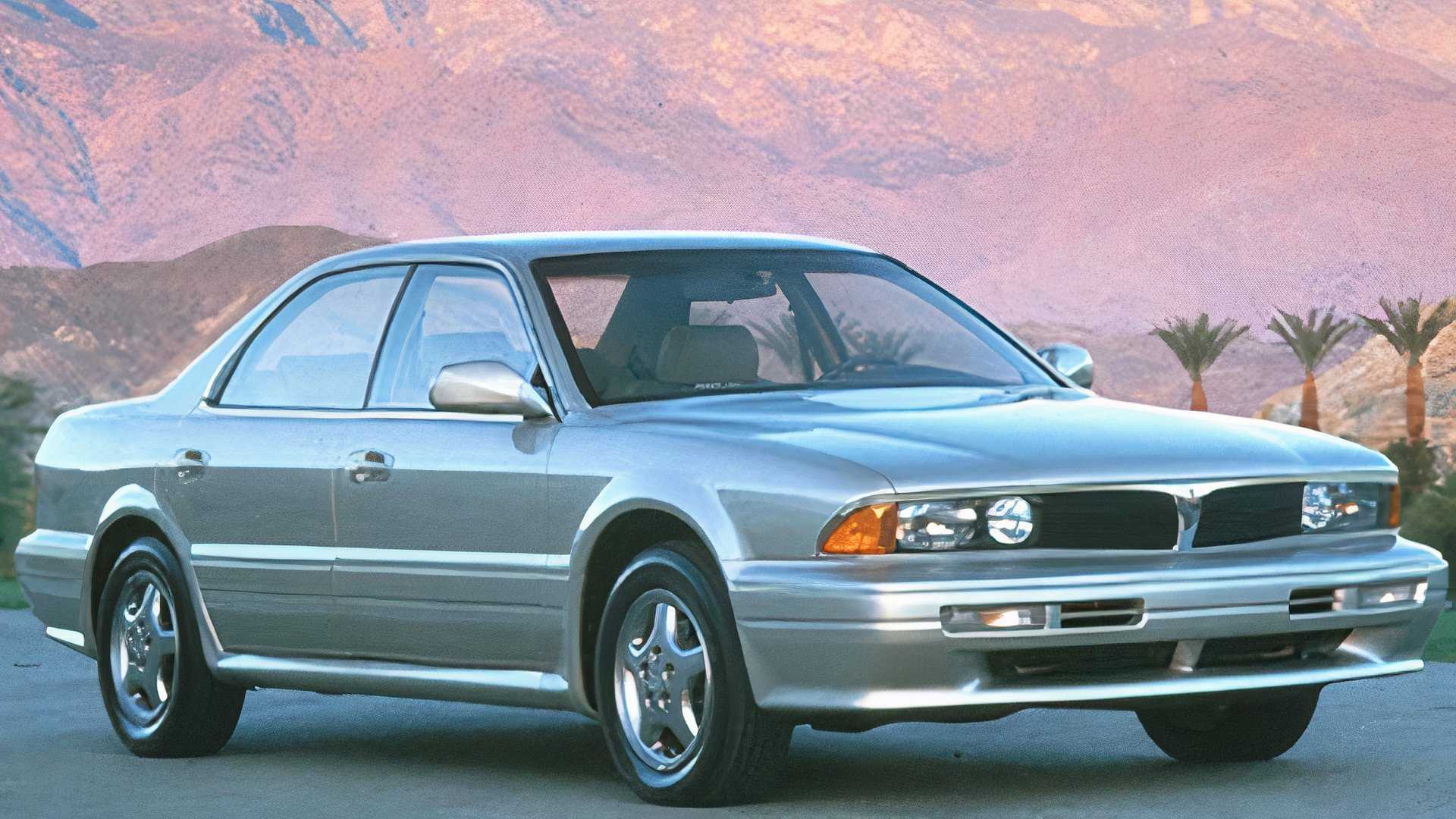
As mentioned, the brand has attempted to venture into producing fully luxurious vehicles several times; however, these efforts did not meet with success. A prime example was their attempt with the Diamante , which was essentially a stretched version of the Galant sedan. Having been imported by the brand from its home Japanese market, it was designed to take on the likes of the Lexus GS The model was somewhat lacking in excitement, coupled with Mitsubishi’s reputation for providing more affordable options, which deterred luxury seekers from opting for a vehicle adorned with their emblem.
It did not manage to attain significant sales figures and was discontinued in 2005. Following this, Mitsubishi has mostly withdrawn from the luxury vehicle segment and now concentrates on producing affordable compact cars and SUVs aimed at budget-conscious buyers, like the Mitsubishi Outlander and similar models. Eclipse Cross and Outlander .
Suzuki has consistently stayed true to its roots.
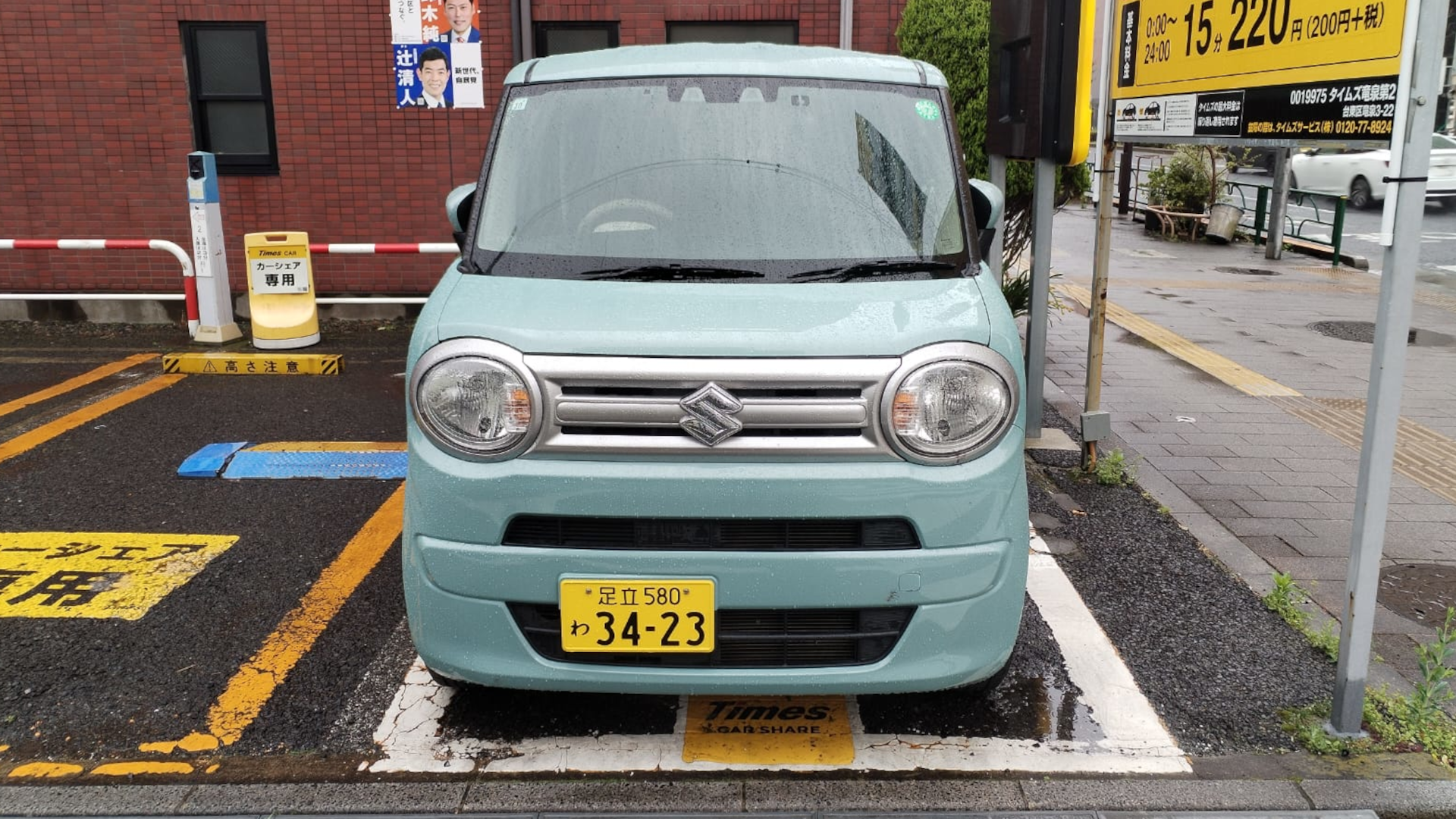
The final Japanese automaker that hasn’t created an independent luxury division is Suzuki, which has consistently focused on the more affordable segment of the car market. Models such as the Cultus fall into this category. bulletproof Grand Vitara These vehicles were created with affordability, reliability, and effectiveness in mind for specific segments within the automotive industry. The Cultus was engineered as a nimble and low-cost urban vehicle, whereas models such as the Jimny and Vitara were crafted to serve as robust off-road options available at significantly lower prices compared to well-known brands like the Jeep Wrangler.
Notable Suzuki Models
- Swift (2004-Present)
- Grand Vitara (1998-Present)
- Jimny (1970-Present)
- Alto (1979-Present)
- Verona (2003-2006)
The brand has consistently adhered to this strategy over its extensive history, with the company tracing its roots back to 1909. Within its domestic market, Suzuki has been a significant force in the kei car segment, known for producing extremely compact vehicles equipped with tiny engines not exceeding 660cc under Japanese regulations. Notable models include the Wagon R and high-revving Cappuccino They have ultimately become reliable and affordable choices abroad, with the Swift hatchback also achieving success in European markets.
Its emphasis on affordable vehicles led to its withdrawal from the U.S. market.
Suzuki’s budget-friendly cars found it difficult to capture the attention of U.S. consumers, and declining sales coupled with a grim financial outlook for the brand at the time compelled them to exit the North American market in 2012. They might have chosen another path by focusing on upscale models to maintain their presence in the profitable U.S. market. However, Suzuki stayed true to its roots and continued with what had generally brought them success throughout the previous hundred years.
Building cheap and dependable transportation for those who don't care much about luxury or adrenaline-pumping thrills. Like Subaru and Mitsubishi, Suzuki doesn't look like it'll deviate from this approach anytime soon.
Sources: Suzuki, Mitsubishi, Subaru, Lexus, Acura, Toyota, Honda.


Posting Komentar
Posting Komentar